

Obesity is an energy imbalance that occurs when the calorie intake is higher than the body needs to sustain its metabolic and physical functions. When we talk about metabolism “nutrition and lifestyle habits” usually come to mind; however, obesity is far too complex to be explained solely by individual lifestyle choices. Current scientific evidence shows that genetic predisposition and environmental factors work together in the development of obesity.
On its way to becoming one of the most widespread global health problems, obesity rose with the emergence of an “obesogenic” environment (easy access to high-calorie foods and limited physical activity). This environment was the primary trigger. Then, individuals adapted to these conditions, and its influences began to interact with their genetic structure.
Recent researchs about genetic factors estimates that the heritability of obesity ranges between 40% and 70%. A significant portion of weight variation in adults has been observed to be influenced by genetic factors.
Genetic Predisposition and Obesity
Genetic structure affects the biological mechanisms that regulate hunger and satiety, energy expenditure, and fat storage. Therefore, even when populations live under the same environmental conditions, individuals may show differences in their tendency to gain weight.
Energy Balance and Genetic Control
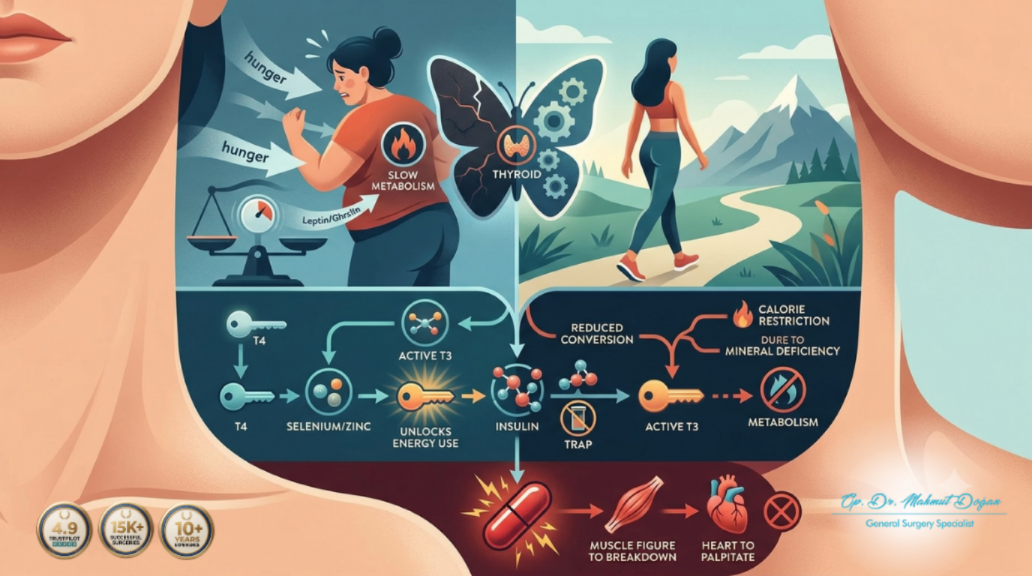
Body weight depends on the balance between energy intake and expenditure. This balance is regulated by the brain, evaluating hormonal signals (such as leptin and insulin) coming from adipose tissue, the pancreas, and the digestive system.
Genetic variations can affect these signaling systems, leading to increased appetite, reduced satiety, and a tendency to conserve energy.
How Do Genes Control Energy Balance?
Genes determine how the brain (hypothalamus) responds to signals from adipose tissue, the pancreas, and the digestive system.
-These signals are transmitted through hunger and satiety hormones.
-When genetic mutations disrupt this system, the brain may fail to receive satiety signals.
-This can lead to excessive hunger (hyperphagia) and a constant drive to eat.
Classification of Genetic Obesity
Genetic obesity is generally classified into two main types: monogenic and polygenic obesity.
1. Monogenic Obesity
This type usually begins in childhood and is severe. Metabolism works fast in childhood, that’s why monogenic obesity is rare. It results from a mutation in a single gene: MC4R gene, which has key role in reducing hunger and maintaining energy balance.
2. Polygenic Obesity
This is much more common in the general population. It arises from the combined effects of multiple genes, each contributing a small effect. These genes interact with environmental factors and increase the risk of obesity.
Epigenetics and the “Thrifty Genotype” Hypothesis
Not only gene sequences but also epigenetic mechanisms increase obesity risk. For example, a mother’s nutritional status during pregnancy can cause lasting chemical changes in the genes that regulate metabolism and appetite in the baby.
Thrifty genotype hypothesis says genes that once helped our ancestors survive to sustain energy storage are now maladaptive in modern days. In today’s world of abundant food, these energy-conserving genes may predispose individuals to obesity.
Clinical Diagnosis and New Treatment Approaches
Traditional calorie-restriction methods are often ineffective in monogenic obesity cases. However, advances in genetic research have led to the emergence of precision medicine approaches. For example, leptin replacement therapy for patients with leptin deficiency, or targeted treatments such as setmelanotide for MC4R pathway disorders, have revolutionized the management of these challenging conditions.
Although genetic factors play a significant role in determining obesity risk, they are not the sole determinant. In polygenic cases especially, lifestyle modifications such as regular physical activity can help reduce genetic risk.
You Are Not Alone
Dr. Mahmut Dogan and his team are ready to support you in your fight against obesity. We are just one phone call away—are you ready to take that step?
13/06/2026 Obesity

06/06/2026 Obesity

04/06/2026 Obesity

15/05/2026 Obesity

09/05/2026 Obesity

25/04/2026 Obesity

18/04/2026 Obesity
Crafted with by

© Tüm hakları saklıdır.