
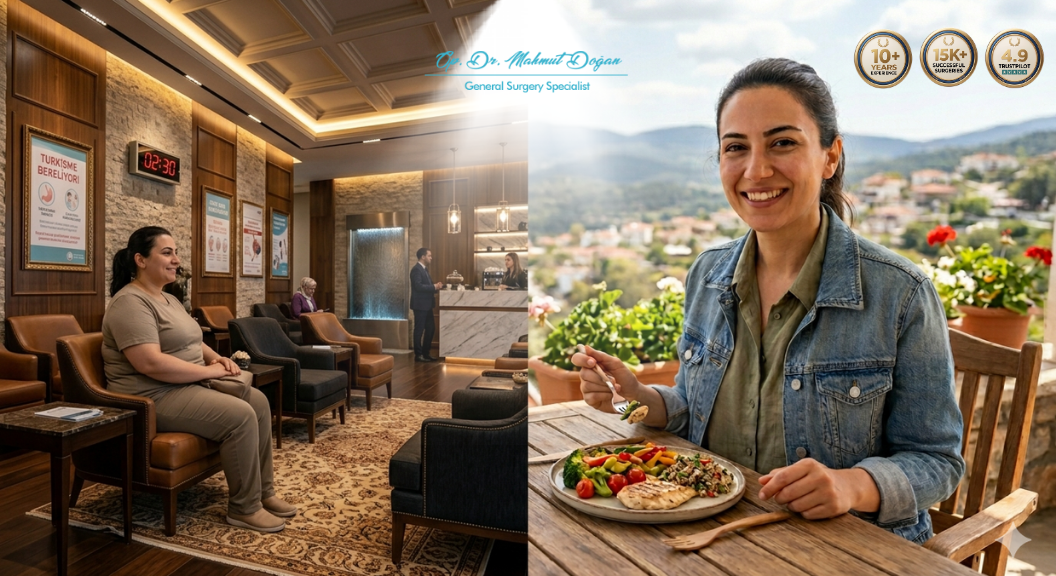
Bariatric surgery is not just an operation; it is a “golden key” that helps our patients open doors they could not unlock on their own. It transforms lives. However, turning this opportunity into long-term success depends entirely on how the post-operative period is managed. Just as this is not simply a surgery, the recovery process also needs to be handled correctly.
In this article, we cover the essential points you should know about your new life after gastric sleeve surgery.
1. Hospital Stay and Discharge: The First Steps
Since the surgery is usually performed laparoscopically (minimally invasive), pain is minimal, and our patients get up and walk just 3–4 hours after the operation. Most of our patients are discharged on the 3rd day after surgery, depending on their recovery progress.
At Dr. Mahmut Dogan’s clinic, we provide accommodation in high-quality hotels for our international guests after discharge. If you are traveling from abroad for this surgery, we strongly recommend paying attention to your post-discharge accommodation for a comfortable recovery process.
2. Nutrition: Learning How to Eat Again
With gastric sleeve surgery, the size of the stomach is reduced, Besides, the hunger hormone helping to control appetite, ghrelin, is decreased. Nutrition after surgery is a gradual journey:
-Liquid Phase (First 2 Weeks): During the initial stage, patients consume only liquid foods. Get special supplements to maintain the body’s vitamin and mineral balance. Hydration is extremely important during this period, and water intake should be increased.
-Puree Phase (Starting from Week 2): Foods are gradually introduced in pureed form.
-Protein Support: Since animal protein intake may be insufficient during the first months, you should get the protein supplements recommended by your dietitian.
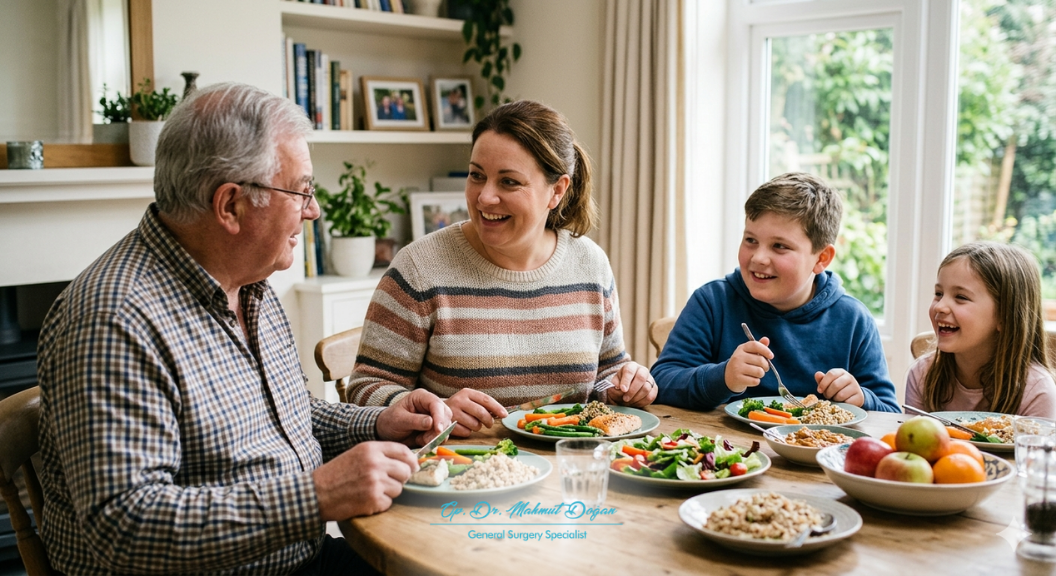
-Golden Rule: Starting to solid foods’ consumption, you must chew until the food becomes extremely soft. In addition, to prevent stomach excessive stretching, solid foods and liquids should not be consumed at the same time. We recommend waiting at least 30 minutes after meals before drinking fluids.
3. Daily Life and Physical Activity
Being physically active after surgery not only contributes positively to the recovery process but also helps prevent complications such as blood clots.
4. Medication Use and Warning Signs
After discharge, patients are usually advised to continue taking stomach-protective medications and vitamin supplements for at least 3 months.
You should immediately contact our team if you experience any of the warning signs like fever above 38°C, rapid heartbeat or palpitations or pain in the stomach area.
Long-Term Success: Make the Most of the “Honeymoon Phase”
The first 1.5 years after surgery are considered the “honeymoon phase,” when weight loss is fastest and easiest. During this period, unhealthy eating habits should be replaced with healthy nutrition and regular exercise.
Remember, surgery gives you an opportunity; transforming that opportunity into a lasting lifestyle change is entirely in your hands.
Let’s Walk Through This Journey Together!
Dr. Mahmut Dogan has transformed the lives of more than 15,000 patients, helping them enjoy their new lives with confidence and happiness. Many of them say, “I only wish I had done this sooner.”
You are not alone in your fight against obesity. If you are ready to receive your golden key to a healthier future, we are just one phone call away.
13/06/2026 Obesity
06/06/2026 Obesity
04/06/2026 Obesity
15/05/2026 Obesity

09/05/2026 Obesity
02/05/2026 Obesity

25/04/2026 Obesity
18/04/2026 Obesity
Crafted with by

© Tüm hakları saklıdır.